Written support plans are essential. They are the foundation for consistency, compliance, and quality in
human services. But they are also static. They can't show a new staff member how an individual communicates
a specific need or demonstrate the correct way to implement a complex support. What if we could bridge that
gap and add a dynamic, human element to our records? This is the power of video documentation, and it's
changing the way providers support individuals with intellectual and developmental disabilities.
Video can capture nuances that are difficult to convey in text alone. For example, correct protocol
for a physical support technique or the use of adaptive equipment can be hard to describe in written
form, while a short video demonstrates it easily. This visual clarity is invaluable for documenting
behaviors like subtle non‑verbal cues or specific communication styles, allowing staff to
better
understand how to support individuals.
Video transforms training from a passive reading exercise into an active, visual demonstration.
Staff can
watch a clear recording of a support protocol or procedure, ensuring they understand it correctly
from day
one – plus, they can revisit the video whenever they need a refresher. In addition, instructing
staff with a
video reinforces consistency throughout the agency, benefitting both staff and supported
individuals.
Video streamlines both training and documentation. It is often much faster for staff to watch a
short
video
demonstrating a protocol than to read and interpret a multi‑page document. Likewise,
documenting a
personal
milestone can be as simple as attaching a quick video of the achievement, which is often faster and
more
descriptive than writing a lengthy narrative. This saved time is a powerful asset, freeing up staff
to
focus
on what matters most: direct, person‑to‑person interaction.
Video can empower individuals by giving them a direct voice in their own documentation. This shifts
the
focus from a person being described to a person describing themselves. An individual can record a
video
personally introducing themselves to new staff, sharing their preferences, and showing what they
feel is
most important for support staff to know. This fosters a deeper connection and ensures the
individual's
own
perspective is at the heart of their plan.
To leverage these benefits, I/DD service providers need a tool that is both effective and secure. Therap's
Secure Video Documentation platform offers a HIPAA‑compliant way to integrate video directly
into
documentation.
This tool allows support teams to attach various types of videos to their documentation, including:
The benefits of video documentation are already starting to impact forward‑thinking agencies. Richmond
Residential Services, Inc. is using video to make their onboarding process more person‑centered and
effective. Program Supervisor, Maddy Olson, states,
In addition to informing staff, it allows individuals to have a voice in their documentation.
Self‑advocate
Brittney Lee states, Ready to see how secure video documentation can enhance your
person‑centered services? Schedule a discovery call with the Therap team today to learn more.
Beyond Written Records:
Why Video Documentation is a Game‑Changer in Human Services
Benefits of Video Documentation
Enhanced Clarity
Improved Training and Consistency
Increased Efficiency and Time Savings
True Person-Centered Support
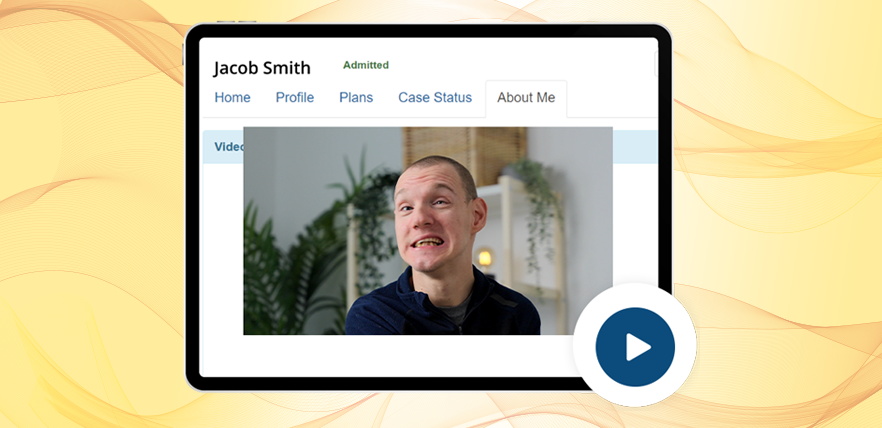
HIPAA Compliant Video Documentation with Therap
The Impact of Secure Video Documentation at Richmond Residential
Services, Inc.
Get Started with Video Documentation
Therap Blogs
Back to Main Blog
New staff have a larger tool box with something like an About Me video. It's an extra resource that
benefits everybody.
People should do their own video so people can get to know them, so they can shine, so they can feel
important. Sometimes people with disabilities feel like they don't have a voice. I think it's really
important to have my own voice.
