In the human services field, our mission is to help improve the quality of life and well‑being for the individuals we support. Yet, the documentation process can often feel like it’s focused more on compliance and administrative requirements than on the actual individual. True person‑centered support is a philosophy that places the individual's preferences, goals, and voice at the center of their plan. To fully realize this, our documentation practices must move beyond standard reporting and incorporate the perspectives of individuals. Therap Services provides a robust set of features built specifically to bridge the gap between necessary compliance and documentation that empowers person‑centered supports. Therap’s comprehensive documentation system is specifically designed to transform routine record‑keeping into impactful person‑centered supports. By incorporating a variety of tools and person‑centered frameworks, Therap empowers staff and individuals to capture the critical, personal details that lead to personalized supports and better outcomes. Therap’s Individual Plan module integrates individuals’ voices into their core service documentation. Therap helps streamline the creation, tracking, and revision of support plans, so plans are living, evolving documents to better serve individuals. Utilizing a planning tool like Charting the LifeCourse (CtLC) can help teams move beyond basic support needs to focus on creating meaningful and inclusive lives for individuals. CtLC encourages planning for all aspects of a person's life across the lifespan, prioritizing their vision for a "Good Life." Therap has incorporated CtLC’s framework into its system to capture the rich data and context needed for planning within the CtLC domains: Daily Life & Employment, Community Living, and Social & Spirituality. Therap's Secure Video Documentation platform offers a HIPAA‑compliant way to integrate video directly into documentation, adding an additional layer of clarity through visuals. This empowers staff to provide more person‑centered supports by including subtle nuances or details about individuals that are often not conveyed in written documentation. Moving to a dynamic, integrated system like Therap helps staff develop a clear understanding of individuals and their support needs. While staff must still read through support plans, the inclusion of dynamic elements like video and planning tools profoundly impacts the quality of plans, encouraging the following: The result is a higher standard of service, where the support delivered aligns with the individuals’ wishes. Ready to see how secure video documentation and configurable forms can enhance your person‑centered services and streamline your operations? Book a discovery call with the Therap team today to learn more. Unlike static paper forms, Therap’s Individual Plan module links measurable goals and outcomes directly to daily service notes and progress reports. This integration allows team members to see real‑time data on an individual’s progress, making it easier to adjust supports based on the person's evolving needs and successes. Therap’s mobile applications allow direct support professionals to record progress on goals and outcomes in real‑time, directly from the community. This lets staff collect person‑centered documentation as it happens, rather than being delayed until staff return to an office or a paper binder. Yes, Therap’s system is built to allow authorized team members, including individuals and their families, to contribute to and review documentation. This helps the individual's voice be at the center of the Individual Plan, leading to a more transparent and inclusive planning process. By using Therap’s Reporting tools, such as Report Library Plus and Data Driven Outcomes (DDO), agencies can monitor an individual’s progress toward their goals over time. If the data shows a plateau or a change in behavior, leadership can schedule a plan revision, ensuring the documentation remains a living reflection of the individual's growth. Therap allows staff to record Goal Demonstration Videos that show the exact, correct procedure for a support protocol or a person’s specific preference. New or relief staff can watch these clips to learn how to provide consistent, high‑quality care that aligns with the individual’s established routines. Make Your Documentation
More Person‑Centered with Therap Therap’s Tools for Person‑Centered Documentation
1. Build Comprehensive Individual Support Plans and Service Documentation
2. Integrate the Charting the LifeCourse Framework
3. Capture Important Details with Secure Video Documentation
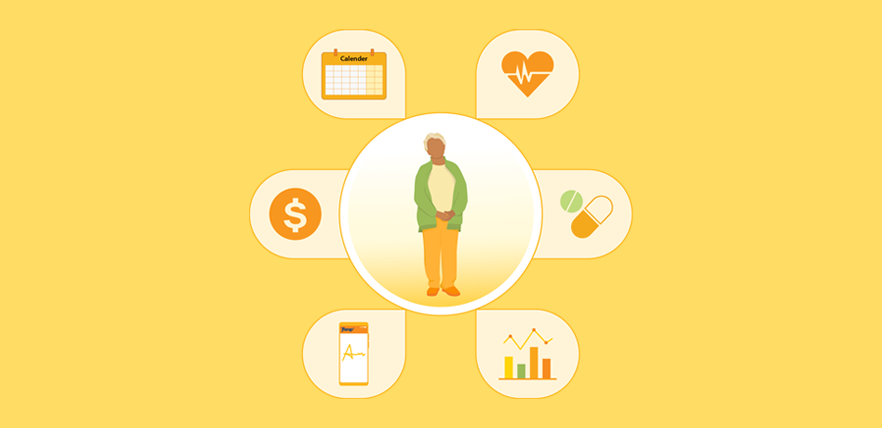
Why Person‑Centered Tools Matter
Frequently Asked Questions: Person‑Centered Documentation
Therap Blogs
Back to Main Blog 