In human services, person‑centered planning requires understanding
the whole person—their preferences, abilities, routines, and goals. Every
day, staff capture valuable details about the people they support across
daily documentation. However, sifting through months of notes and records
to find impactful insights when building individual support plans can be
difficult and time‑consuming. AI technology offers a practical
solution by processing large amounts of data to deliver key details
directly to staff, empowering care teams to create tailored support plans
that help the individuals they support live their best possible lives.
In a recent virtual session, Person‑Centered Planning and AI,
experts from Therap’s support, data initiatives, and sales teams came
together to explore this topic. Bringing experience in
person‑centered thinking and helping agencies utilize technology,
they discussed the following ways AI can serve as a practical tool for
agencies looking to enhance their planning processes:
While skepticism around AI replacing the human touch is natural,
technology is not a replacement for human connection. Instead, AI serves
as a valuable tool that empowers staff to support individuals more
effectively and make informed, person‑centered decisions.
To help providers navigate this shift, platforms like Therap Services
build secure, specialized AI capabilities directly into standard
documentation workflows. Rather than using generic tools, agencies can
leverage dedicated features like Therap’s Person‑Centered Planning
AI skill.
As Jason Laws from Therap Services explained, "What this is designed to do
is to look at all of that person‑centered information that we have
for that individual, and then make some recommendations about the things
that we could work on that would be important for skill development, but
still align directly with things that they have already expressed as being
important to them."
Crucially, data privacy remains paramount. "Everything that we do within
AI continues to exist within the same HIPAA‑compliant ecosystem and
environment that all of your data has been in before," emphasized Laws. By
unlocking historical data collected every single day, teams keep each
person's unique preferences at the forefront of planning—without staff
having to spend hours sifting through records manually.
Interested in learning more about how secure, purpose‑built AI tools
can support your agency's person‑centered workflows? Reach out to
Therap’s team!
AI can quickly process large amounts of qualitative data to deliver key
details directly to care teams.This helps save time when building
individual support plans, as you can avoid sifting through months of
daily notes and records.
AI helps bridge the gap between big‑picture hopes and structured
ISP goals. By analyzing a person's documented data, Therap AI can recommend
actionable, skill‑building objectives that align directly with the
individual's expressed desires and preferences.
When DSPs start supporting a new individual, reading through months or
years of background information can be daunting. AI helps by condensing
extensive narrative records into clear, digestible summaries, helping
new staff provide consistent and informed care from day one.
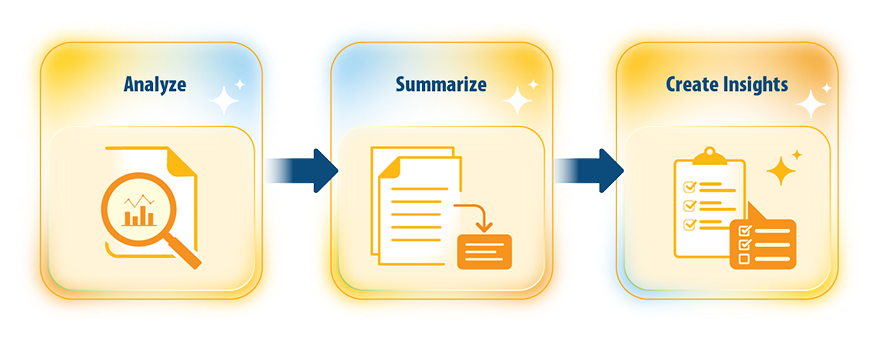
Therap AI analyzes qualitative, narrative data such as daily notes and
specialized tools like Charting the Life Course. It synthesizes this
unstructured text to unlock insights and clear trends for care
coordinators and program managers.
5 Ways Artificial Intelligence Empowers Person‑Centered Planning in I/DD Services
From Concept to Practice: Secure, Built‑In AI Solutions
FAQs
Therap Blogs
Back to Main Blog