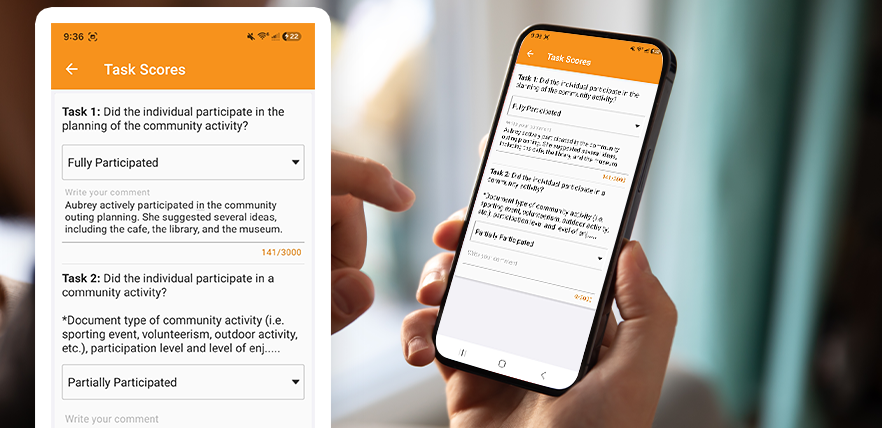
The human services field faces a significant workforce shortage, making the retention of dedicated Direct Support Professionals a high priority for agencies. Direct Support Professionals enter this field to make a positive impact on the lives of the individuals they support. Yet, a large portion of their day is frequently consumed by administrative tasks and complex paperwork. When documentation systems are cumbersome or difficult to navigate, it adds unnecessary stress to an already demanding job. This paperwork burden is a leading factor in staff burnout and turnover. Redundant data entry, confusing interfaces, and static forms take valuable time away from person‑centered care. When staff feel overwhelmed by administrative duties, their job satisfaction decreases. Using tools designed with the user in mind is a practical way to relieve this pressure. By simplifying the documentation process, agencies can support their workforce, improve retention, and keep the focus on human connection. Practical fixes include mobile‑friendly access, intuitive layouts, and features that reduce repetitive typing. Therap Services provides a comprehensive documentation system designed specifically to address these challenges in the human services sector. Recognizing that your time is a valuable resource, Therap offers tools that streamline the documentation process. The platform features an intuitive interface that makes recording notes, tracking goals, and reporting incidents straightforward. By utilizing a system built with the direct support professional in mind, agencies can significantly reduce the time staff spend in front of a screen. A key feature of Therap Services is its high level of configurability. Agencies can tailor dashboards and forms to match their specific workflows. This means staff only see the information they need to complete their daily tasks. This targeted approach minimizes confusion and accelerates the learning curve for new hires. Furthermore, Therap’s Mobile Applications allow staff to document support securely on the go. This integrates seamlessly into their daily routines rather than acting as a separate, tedious chore. By transitioning to a documentation system that prioritizes efficiency and ease of use, agencies empower their staff. Therap helps transform documentation from a source of burnout into a supportive tool that enhances the quality of care provided to individuals. Contact the Therap team today to see how our solutions can support your agency. Complex and time‑consuming paperwork leads to frustration and burnout among direct support professionals. A user‑friendly system like Therap reduces administrative stress, helping agencies retain dedicated staff members. Yes. Allowing staff to document on the go reduces the need to sit at a computer for long periods at the end of a shift. Therap offers secure mobile options that fit naturally into daily routines. An efficient system provides intuitive navigation, customizable forms, and reduces redundant data entry. Therap is built specifically for human services to provide these practical fixes and keep the focus on person‑centered support. The learning curve depends heavily on the software’s design. Because Therap allows agencies to configure dashboards to show only relevant information, new hires can navigate the system quickly and confidently. DSP Burnout: How Documentation Design Can Reduce It
Ready to empower your team and reduce administrative burnout?
Frequently Asked Questions
How does documentation design impact staff retention?
Can mobile documentation help reduce workforce burnout?
What makes a documentation system efficient for human services?
How long does it take for new staff to learn a documentation platform?

