For providers in the intellectual and developmental disabilities (IDD) and home and community‑based
services
(HCBS) fields, delivering high‑quality care is the primary mission. Meeting regulatory standards plays
a key
role in supporting that work, with Electronic Visit Verification (EVV) standing as one of the most
influential mandates shaping modern service delivery.
Enacted under the 21st Century Cures Act, the federal mandate was designed to increase accountability,
reduce fraud, and confirm that individuals receive the care they are authorized to get. The law dictates
that states implement a verification system for Medicaid‑funded personal care services and home health
care
services. But what exactly does this mean for your agency?
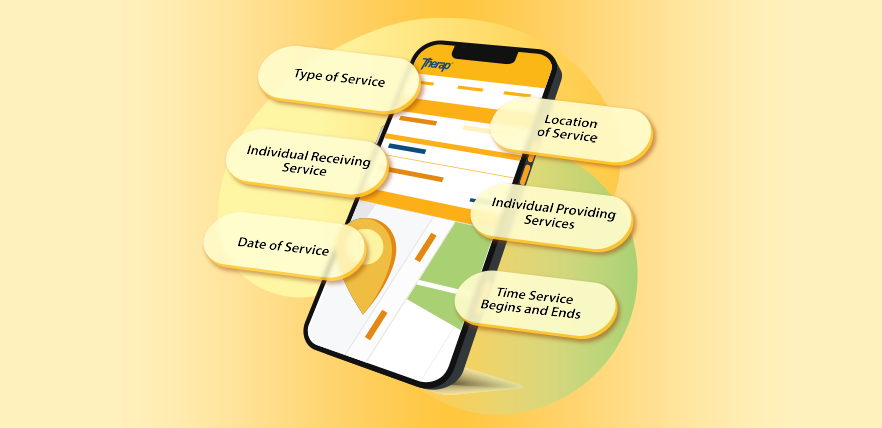
At the federal level, the law dictates the electronic capture of six specific data points for authorized
visits:
These six elements form the core of the 21st Century Cures Act requirements. While state Medicaid agencies
manage the specific rollouts, these fundamental federal standards apply nationwide.
It’s easy to view regulatory requirements as an administrative hurdle. However, EVV offers significant
operational benefits for human services providers. By replacing paper timesheets and manual logs with a
clear digital trail, agencies can streamline their payroll and billing processes. This technology creates an
auditable record that protects organizations from billing errors and minimizes the risk of audit penalties.
Beyond operational efficiency, digital verification elevates the standard of care. It validates that
individuals receive their prescribed support at the right time and place. Real‑time data capture
allows
managers to monitor service delivery proactively, addressing missed or late visits promptly. Ultimately, it
safeguards vital Medicaid funds, keeping resources focused on delivering exceptional support.
Despite being a standard requirement, several misconceptions persist. First, a common myth is that these
systems track caregivers continuously. In reality, the federal requirement only mandates verifying the
location at the beginning and end of the service. It is not a continuous surveillance tool.
Second, many believe the Cures Act explicitly mandates a specific type of GPS technology. The federal law
simply requires verifying the location of service delivery. While numerous systems utilize geolocation, the
law itself leaves room for various technological approaches.
Finally, some view verification mandates as just another layer of paperwork. When implemented poorly, this
can happen. However, when integrated into a unified workflow, it actively saves time for direct support
professionals by eliminating duplicate data entry.
Meeting these federal standards does not have to mean juggling disparate apps or adding hours of
administrative work. This is where choosing a configurable, unified documentation system transforms a
compliance requirement into an operational advantage.
Therap Services offers a comprehensive documentation system designed specifically for the unique workflows
of IDD and HCBS providers. Instead of treating visit verification as a standalone chore, Therap weaves it
directly into the fabric of your daily documentation and billing processes.
By using the Therap system, direct support professionals can easily clock in and out at the point of care,
capturing the required six data points seamlessly. Because the tools connect directly to individuals’
service authorizations and support plans within the platform, managers can identify discrepancies before
claims are submitted. This integrated approach reduces data entry duplication, lowers the risk of claim
denials, and frees up staff to focus on meaningful interactions with the people they support.
Furthermore, Therap’s EVV functionality accounts for the realities of community‑based work. Support
teams
often find themselves in areas with poor cellular service. Therap addresses this by offering offline
capabilities, allowing staff to capture vital visit data securely without an active internet connection. The
system syncs the information once connectivity is restored, keeping your agency compliant without
interrupting the flow of care.
While electronic verification seamlessly validates that a service took place, documenting the nuances of how
that care is delivered remains equally important. Equipping your team with flexible, integrated tools like
those offered by Therap Services empowers them to maintain compliance effortlessly while elevating the
standard of care.
Book a Demo today to discover the difference Therap can make for your team.
Electronic Visit Verification is a system used to confirm that authorized services were actually
provided. Under the 21st Century Cures Act, agencies providing Medicaid‑funded personal care and
home
health services must electronically verify visit data to maintain compliance and funding. Therap
provides an integrated solution to help agencies meet these requirements seamlessly.
Yes. Therap features built‑in tools that capture the six specific data points required by the 21st
Century Cures Act. The platform integrates this visit data directly with service tracking and billing
modules, helping agencies maintain compliance and streamline their workflows.
Yes, community‑based care often happens in locations with limited connectivity. The Therap system
includes offline capabilities, allowing direct support professionals to capture required visit data
securely. The application will synchronize the data once a secure connection is reestablished.
Using a standalone app for visit verification often leads to duplicate data entry. By integrating visit
verification into your broader documentation and billing platform, Therap reduces manual entry, helps
catch authorization mismatches early, and accelerates the billing cycle.
Electronic Visit Verification (EVV) Explained: What IDD and HCBS Providers Need to Know
The Positive Impact of Electronic Visit Verification
Addressing Common Misconceptions
Streamlining Compliance with Therap Services
Ready to See How a Unified Documentation System Can
Streamline Your Agency's Operations?
Frequently Asked Questions
Therap Blogs
Back to Main Blog