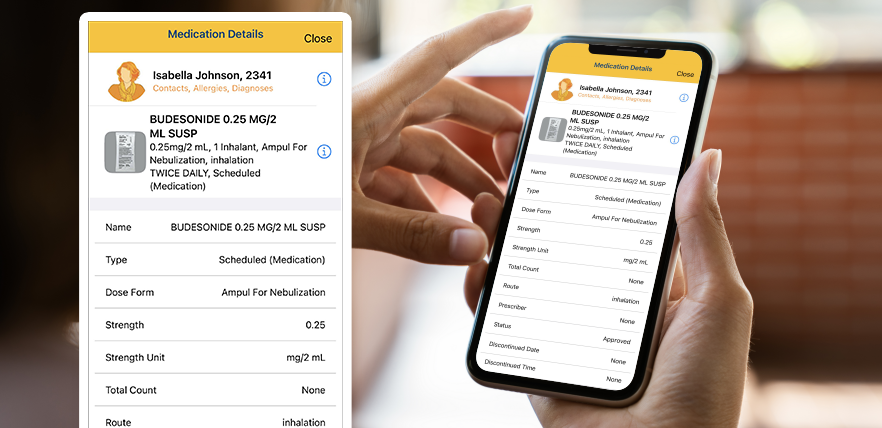
Providing safe and accurate medication administration is a fundamental responsibility for agencies supporting individuals with intellectual and developmental disabilities (IDD). For many years, paper‑based medication administration records were the standard. While familiar, traditional paper logs present significant challenges. Handwritten notes can be illegible, easily misplaced, or slow to reflect critical prescription changes. Enter the Electronic Medication Administration Record, or eMAR. Transitioning to a digital system can improve how agencies manage, track, and administer medications. Switching to an electronic system directly addresses the root causes of common medication errors. First, digitization eliminates the risk of misreading poor handwriting. Clear, standardized text replaces illegible notes, leaving no room for confusion regarding dosages or medication names. Second, eMAR platforms provide real‑time updates. When a physician changes a prescription, these modifications can be logged rapidly into the platform and immediately reflected on the MAR. Staff members no longer need to rely on physical paper handoffs or wait for a supervisor to update a binder. Furthermore, electronic systems offer proactive safety features that protect individuals. Built‑in alerts notify staff when a medication is due, significantly reducing the risk of missed or late doses, and preventing timing errors such as administering doses too close together. By connecting with industry‑standard drug databases like First Databank (FDB), modern eMARs also act as a vital clinical safety net—automatically flagging potential drug‑drug and drug‑allergy interactions before a dose is given. Staff gain immediate access to comprehensive drug monographs and visual pill identification, empowering direct support professionals to verify medications with total confidence. By streamlining communication between pharmacies, prescribers, and caregivers, eMARs create a safer, more transparent care environment. While the concept of eMAR is powerful, the specific platform you choose matters. Therap Services offers a comprehensive documentation system designed specifically for the unique needs of human services and IDD providers. The Therap eMAR module takes the benefits of digital medication tracking and integrates them into a streamlined framework. We respect how valuable your time is, and spending it chasing down paper records takes you away from the people you support. Upgrading to a digital, integrated system protects the individuals in your care and empowers your staff to do their jobs with confidence. Contact Us today to see firsthand how the Therap eMAR can streamline your processes and elevate the quality of your services. Therap is designed with strict adherence to HIPAA guidelines and industry standards. The system maintains detailed audit trails of who administered a medication and when, which simplifies state audits and helps agencies maintain compliance effortlessly. Yes, Therap is built to accommodate the nuanced needs of the IDD community. The system supports complex, variable schedules, PRN (as‑needed) medications, and specialized treatments securely and clearly. Therap focuses on user‑friendly design tailored for direct support professionals. The interface is intuitive, and Therap provides robust training resources to help teams transition smoothly from paper to digital records. eMAR Explained: How Electronic Medication Administration Records Reduce Errors for IDD Providers
Why eMARs Help Reduce Errors
How the Therap Documentation System Solves Medication Management Challenges
Transform Your Medication Administration Today
Frequently Asked Questions
How does Therap eMAR help with compliance?
Can Therap handle complex medication schedules and treatments?
Will staff find the Therap system difficult to learn?

