Working in human services requires dedication, compassion, and a sharp eye
for detail. Care providers focus heavily on the individuals they support,
but documenting daily events is an equally vital part of the job. A highly
critical element of this documentation is the Incident Report, known in
Therap as a General Event Report, or GER.
An incident report or GER is a formal record of an unusual, unexpected, or
hazardous event that occurs during the delivery of care. This might
include a medical emergency, a behavioral incident, an injury, or a
medication error. These reports serve numerous purposes. They create an
objective timeline of events, notify supervisors of potential risks, and
act as a foundational piece of compliance for health and safety
regulations.
While specific regulations vary by region and organization, prompt
documentation is widely recognized as a standard practice. In many cases,
staff are expected to complete a GER by the end of their shift or within
24 hours of the event. For severe incidents, verbal notification followed
immediately by written documentation is often required. Meeting these
timelines is fundamental to maintaining high standards of care.
Postponing incident documentation introduces several significant risks.
First, memory is not 100% reliable. Details blur as time passes, which can
lead to inaccurate or incomplete records. A slight inaccuracy regarding
the time of an event or the individuals present can obscure the root cause
of an incident.
Second, delayed reporting can postpone necessary follow‑up care or
interventions. If management and clinical teams are unaware of an issue,
they cannot provide the required support or adjust care plans. Finally,
compliance frameworks demand timely reporting to protect the individuals
receiving services. Failing to meet these deadlines can result in
regulatory scrutiny, penalties, or compromised agency reputation.
For agencies striving to improve their reporting timelines and overall
documentation accuracy, the right software makes a significant difference.
Therap Services provides a comprehensive documentation system designed
specifically for the human services field, streamlining the incident
reporting process from start to finish.
Because Therap is cloud‑based, direct support professionals can log
incidents securely from a mobile device or computer right as they happen,
or immediately after stabilizing the situation. This eliminates the need
to track down paper forms or wait until returning to a central office.
Staff can capture details while they are fresh, leading to highly accurate
and objective reports.
Therap also provides intelligent features to elevate the quality of your
documentation. The QA Assistant helps recognize when a GER or incident
report is needed by scanning daily notes (T‑Logs). This automated
scan acts as a safety net, identifying potential incidents that might have
been mistakenly recorded as routine notes and helping agencies maintain
strict compliance.
Additionally, effective documentation is about building a complete picture
of an individual’s health and daily life. While text‑based GERs are
fundamental, agencies are exploring new ways to capture context, like
video. In incident reporting, detail is crucial for accurate documentation
and response. Therap’s Secure Video Documentation tool helps providers
capture important information, such as the location of an incident, and
provide an additional level of context to supplement written reports.
Therap supports a holistic view of care, combining standard reporting with
innovative tools to give providers the insights they need.
Timely, accurate incident reporting protects the individuals you support
and strengthens your agency’s compliance standing. If you are looking for
a reliable, efficient way to manage your GERs and wider documentation
needs, we are ready to help. Connect with our team today to see how Therap
Services can streamline your workflow and support your mission.
A GER, or General Event Report, is the standard term used within the
Therap system to document incidents, injuries, behavioral events, or
medication errors.
The Therap QA Assistant scans daily notes (T‑Logs) to recognize
when a GER or incident report is needed, which helps agencies catch
critical events that require formal documentation.
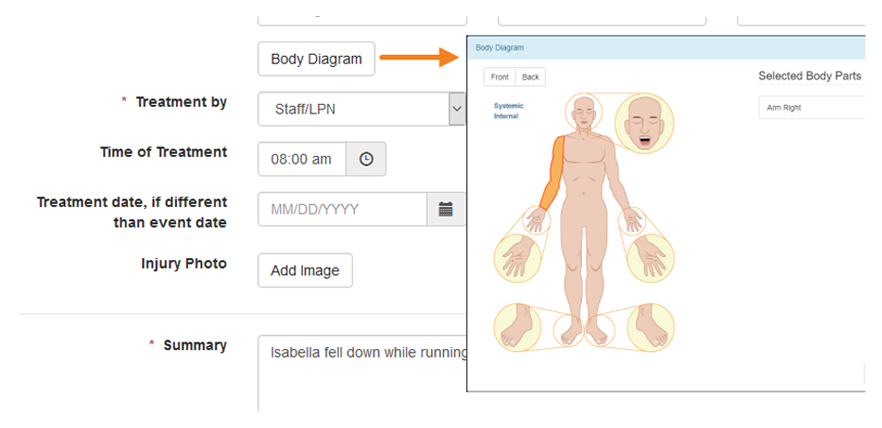
Therap provides structured forms that guide staff to report incidents
within required timeframes, helping agencies meet regulatory standards
and maintain effective oversight.
Yes, direct support professionals can access Therap through Therap’s
secure Mobile Applications, making it convenient to document events
promptly from the field or an individual’s home.
Supervisors using Therap can review submitted GERs, assign
follow‑up tasks, and track the progress of investigations directly
within the platform.
What is an Incident Report (GER) and Why Timing Matters
Defining the GER in Human Services
Typical Timelines for Reporting
The Risks of Delayed Reporting
How Therap Services Solves Documentation Challenges
Advanced Tools for Accuracy and Context
Take the Next Step
Frequently Asked Questions (FAQs)
Therap Blogs
Back to Main Blog